

"We are made from the strength of every ancestor who survived.
And thrived." ~ Loung Ung
Before Everything Changed
Phnom Penh.
A Big Table. Nine of Us.
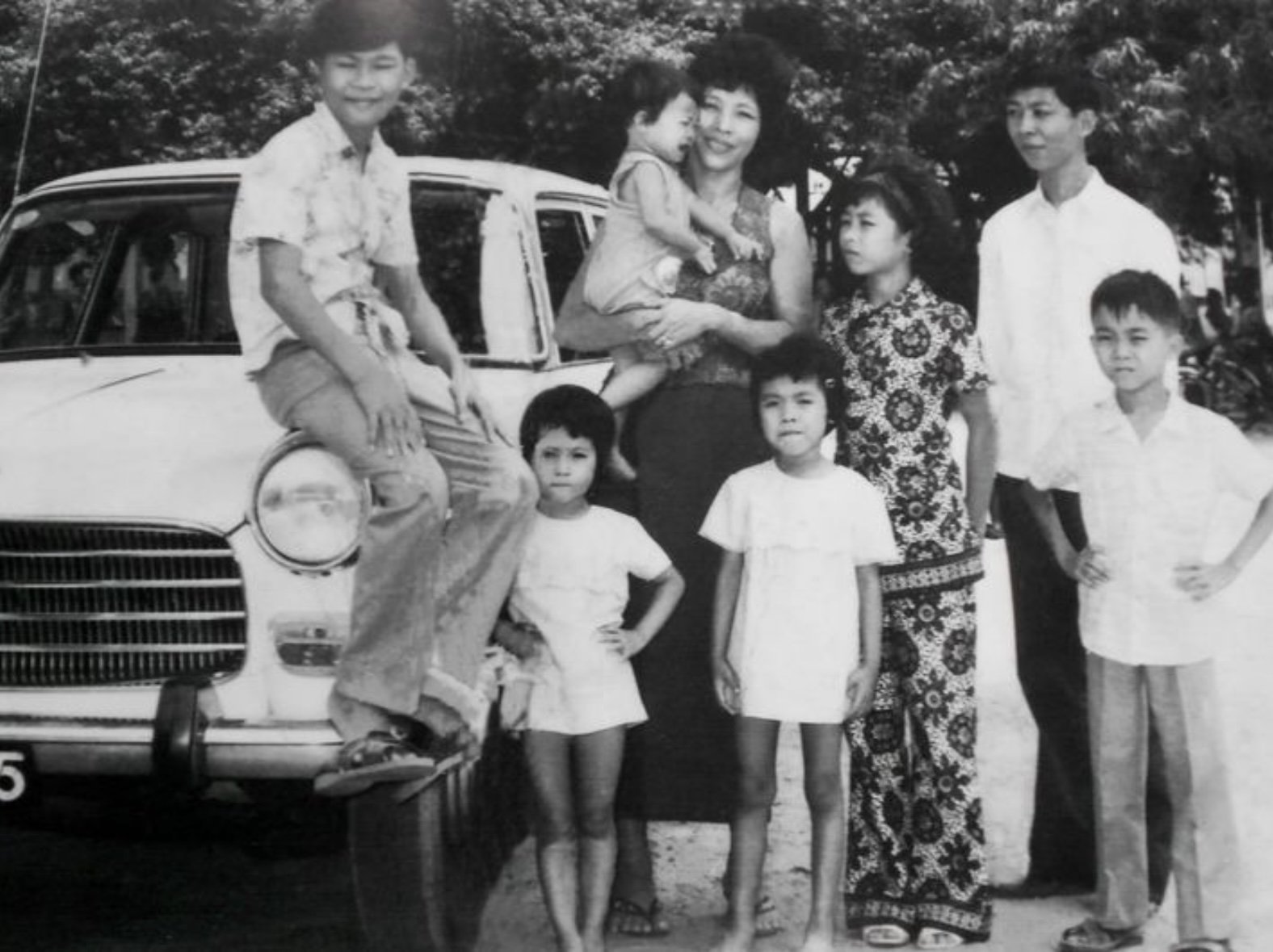
Phnom Penh was chaotic and alive — a city built for exploring, for adventures around every corner. But when I reach back for my happiest memory of childhood, I don't find the city. I find a table.
The nine of us — Pa, Ma, my three brothers, my three sisters, and me — crowded around a big table, all of us reaching at once, knocking things over, scooping food onto each other's plates without asking. Everyone talking. No one listening. My feet kicking under the table until Ma told me to sit still. Pa catching my eye and winking, as if to say: don't stop.
So innocent. So loud. So full of love.
On April 17, 1975, the Khmer Rouge entered the city and that table ceased to exist. We were driven from our home, torn from one another.
Fifty years on, I still hold that dinner close. It is the truest thing I know about who I am and where I come from.
April 17, 1975
PHNOM PENH, CAMBODIA
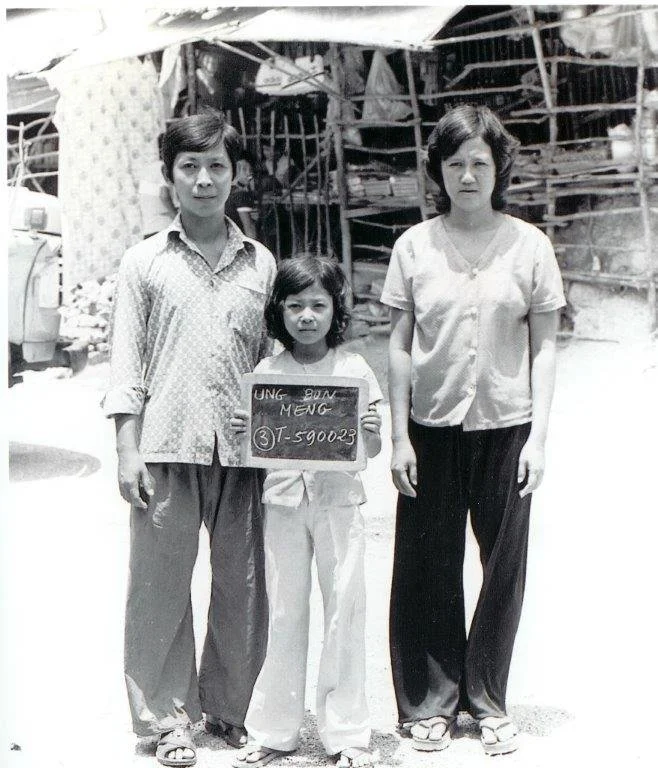
Until that day, I had never truly known fear. I was five years old. I had been afraid of the dark, of ghosts, of my mother's scolding. Small fears. Children's fears.
What entered me on April 17, 1975 was something else entirely.
My legs shook. My breath came too fast. My head spun in a way that made me certain my soul was trying to leave my body. A soldier — face red, voice reasping — fired his rifle into the sky. Around me, the crowd of evacuees cowered, wept, screamed.
The only thing that held me to the earth was the weight of my sister Keav's arms. She pulled me into her, tugged the krama down over my eyes, and shielded me from what she could not shield herself from.
That was the last day of everything I had known. My parents would be killed. My siblings scattered across labor camps and work camps and separate, desperate survivals. The city emptied. The table gone.
And yet — I am here. Four of my siblings are here. And I have spent every year since asking what that means, and what it requires of me. Thoughtfully crafted to elevate what matters most.
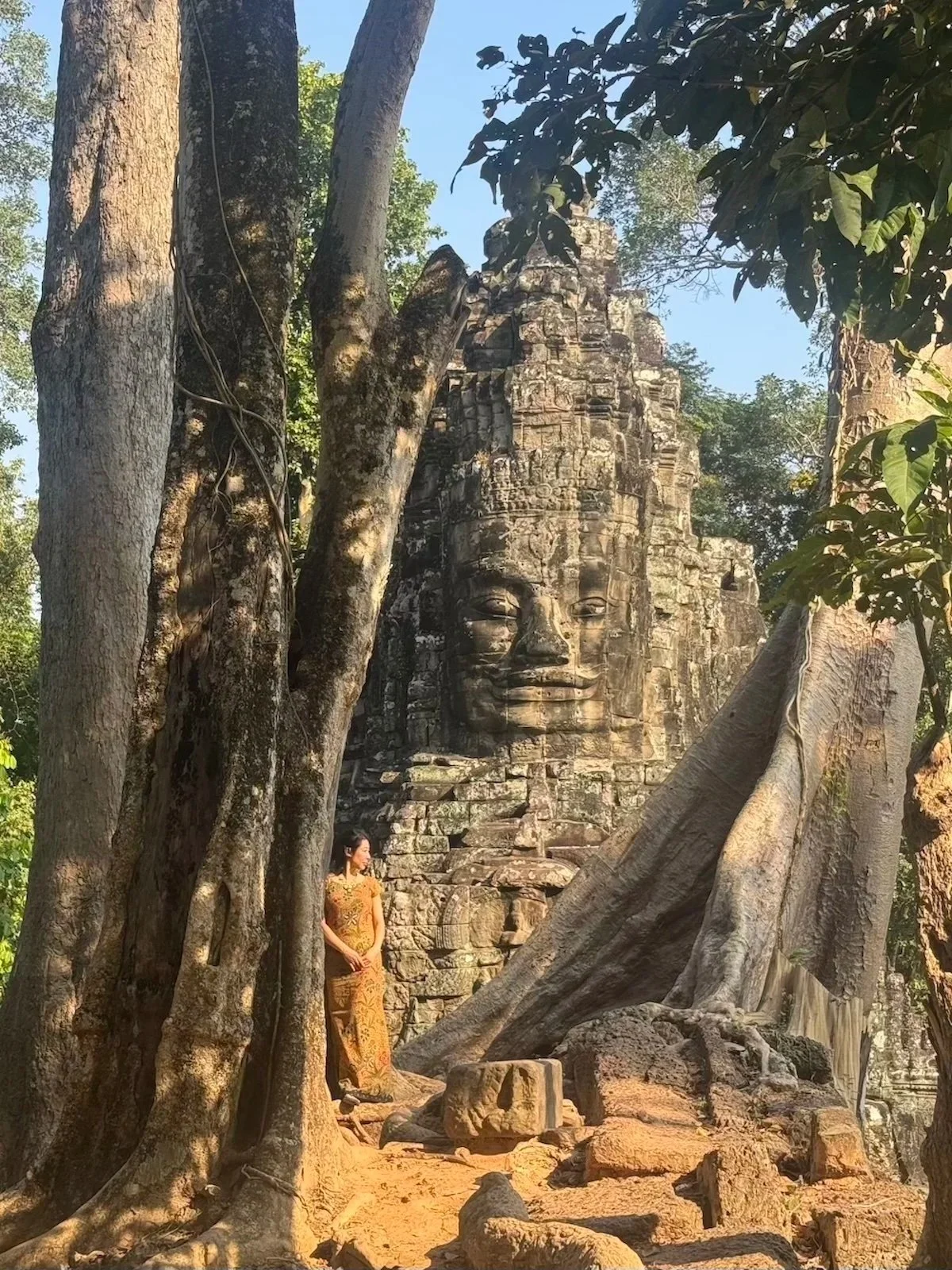
Even as Vermont became home, I carried another home inside me. Cambodia. Where much of my family still lives. Where the temples rise from the mist at dawn. Where the food tastes like memory, and the air holds everything I lost and everything I came from.
It took me years to understand that the human heart can hold many places at once — and love them all, and call them all home. And to Discover the Joy of doing so.
Two Homes. One Heart.
Vermont.
And Always, Cambodia.
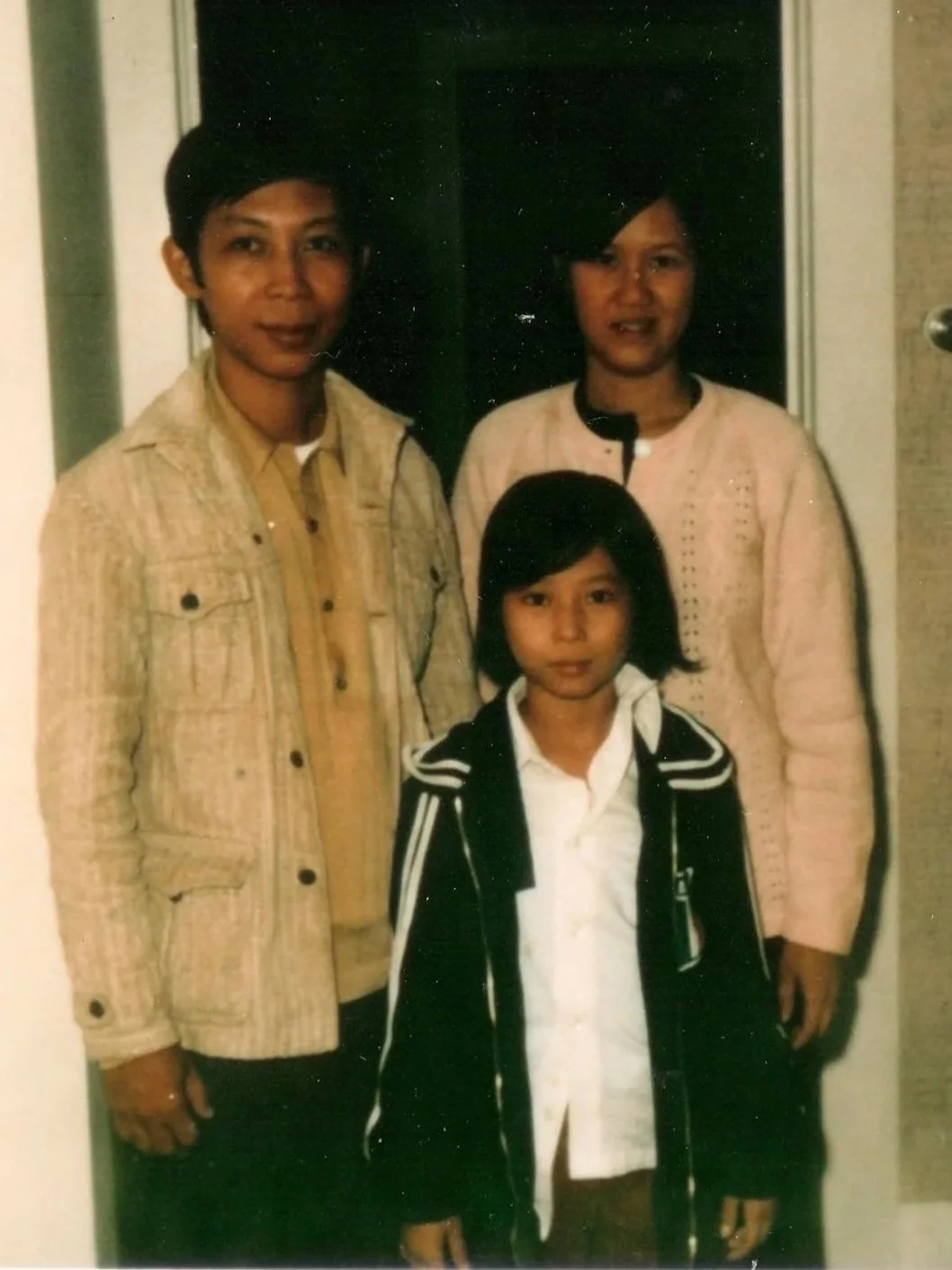
My brother Meng, his wife Eang, and I were sponsored to Vermont by the parishioners of Holy Family Church. Many of them came to the airport to greet us. Their faces were the first American faces I ever saw — and I was afraid of them. I didn't know their language, their expressions, what their smiles meant.
But their smiles were wide and genuine, and slowly, Vermont became home.
What Joy Looks Like.
People sometimes expect a certain kind of answer from someone who has lived a certain kind of life. The answer about purpose, mission, legacy. And yes — those things matter deeply to me.
But joy, for me, is simpler than that. More ordinary. And I think that's the whole point. Joy is not a destination. It is what happens when you pay attention to what is right in front of you.
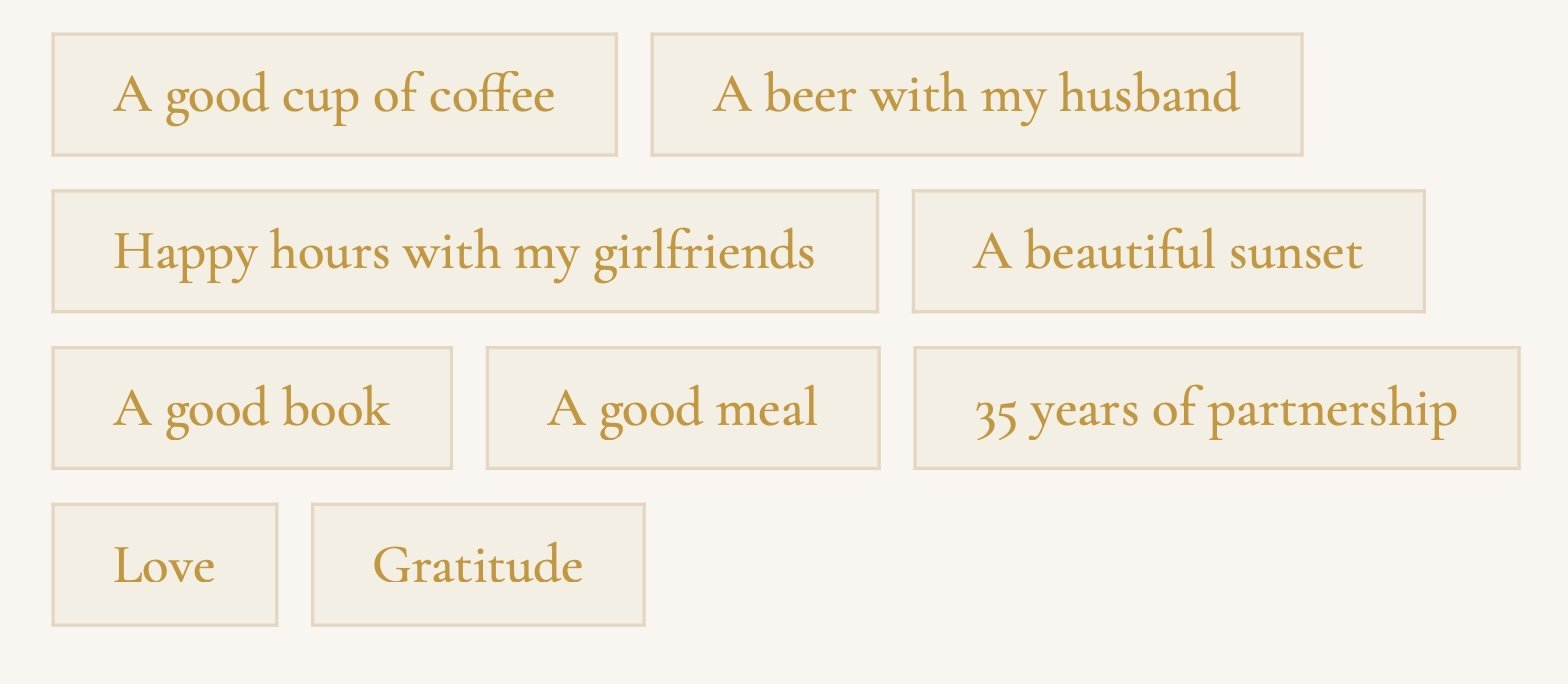
"Joy is love. Joy is gratitude.
And some days, joy is simply the miracle of still being here."
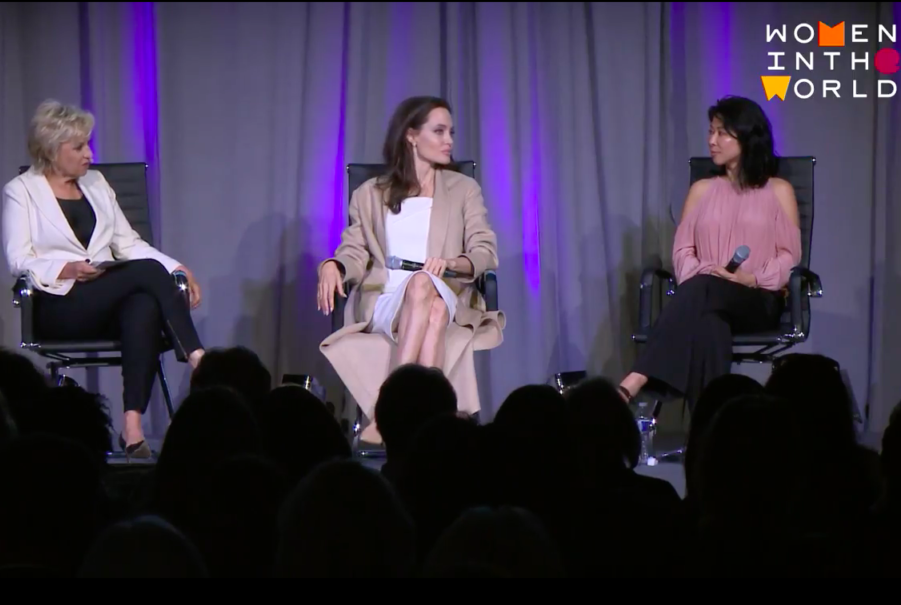
When people see me on stage — in front of hundreds, sometimes thousands — I don't think they realize they are watching an introvert who once could barely speak in public.
What People Get Wrong
Being in front of people is not my natural state. I grew up with a profound fear of public speaking — the kind that hollows out your chest and erases your voice before you've said a word. For a long time, I let it win.
Then, in college, I made a decision: I was not going to be ruled by fear any longer.
I attended every public speaking event on campus. I studied the speakers. I forced myself to say at least one thing out loud in every class, every day .
Even when every part of me wanted to disappear into the back row.
Today, my audiences sometimes number in the thousands. And speaking is still not easy. I share this because I know there are people in those audiences who are afraid too. Of being seen. Of speaking up. Of taking up space. I want them to know: I am not fearless. I am determined. And that — unlike fearlessness — is something every one of us can choose.
A Life, in Chapters
1970 · Phnom Penh, Cambodia
Born into a Family of Nine
Born the sixth of seven children to a high-ranking government official and his wife — a childhood of markets, fried crickets, open cities, and a big family table.
April 17, 1975
The Khmer Rouge Takes Phnom Penh
Five years old. The family flees. Separated to survive. Trained as a child soldier in a work camp. Her parents are killed. Four siblings survive.
1980 · Vermont, USA
Arrives in America
Sponsored by Holy Family Church parishioners to Vermont. The wide smiles of strangers become her first image of her new home.
2000
First They Killed My Father Published
National bestseller. Won the 2001 APALA Award for Excellence in Adult Non-Fiction. Taught in universities and schools worldwide. Translated into many languages.
2005 & 2012
Lucky Child & Lulu in the Sky
Two more memoirs complete the trilogy — reunion, love, healing, and the long journey back to Cambodia and to joy.
2013
Girl Rising Documentary
Writes the Cambodian chapter of the documentary narrated by Meryl Streep, Cate Blanchett, and seven other celebrated voices.
September 15, 2017 · Netflix
First They Killed My Father — The Film
Co-written with Angelina Jolie. Directed by Jolie. Filmed entirely in Cambodia with Cambodian actors speaking Khmer. 88% on Rotten Tomatoes. Cambodia's official Academy Awards entry.
Forthcoming · Astra Publishing
Spirits of Survival — Graphic Novel
An upcoming graphic novel adaptation weaving Cambodian mythology into the story — bringing it to a new generation of readers in a new form, with new resonance.
2026 · Ongoing
Still Speaking. Still Writing. Still Going Back.
25 years of keynote speaking. Over 50 trips back to Cambodia. And a belief — unshaken — that we all have the power to rewrite our lives.